Professional Leak Detection: Shield Your Home From Concealed Water Damage
Proper leak detection serves a vital purpose in preserving the structural soundness of a home. Concealed water damage may lead to costly repairs and serious health risks. Homeowners often overlook early signs, such as unexplained stains or musty odors. Through recognizing these warning signs and utilizing modern detection techniques, homeowners can safeguard their homes. Despite this, numerous residents remain unfamiliar with the most reliable tools and approaches currently available. What steps can be taken to guarantee a home stays safe from these silent threats?
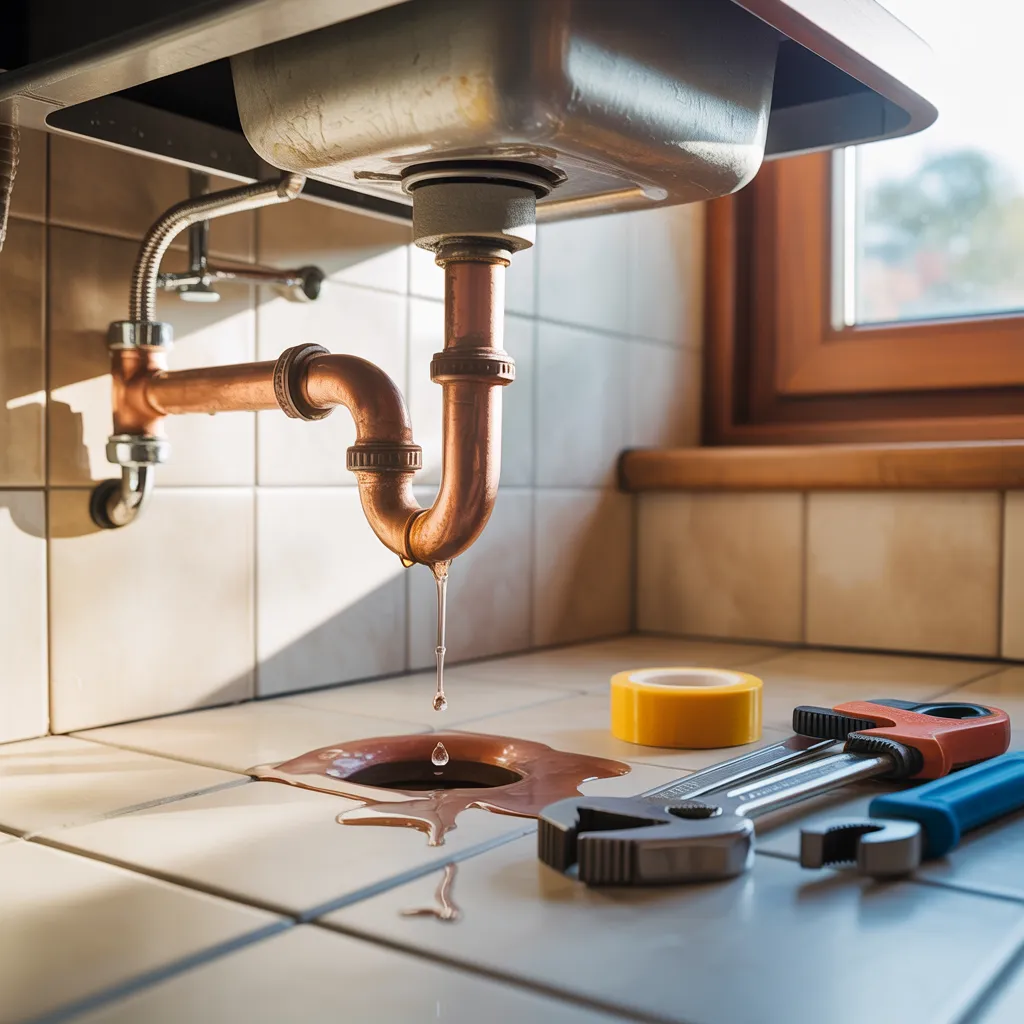
Why You Should Prioritize Leak Detection
What makes leak detection a priority for homeowners? Homeowners must recognize that undetected leaks can result in significant structural damage and costly repairs. Water intrusion can compromise the integrity of walls, foundations, and even electrical systems, leading to hazardous living conditions. Additionally, prolonged moisture can foster mold growth, which poses health risks to occupants.
Investing in proactive leak detection secures the home and simultaneously boosts property value. Through the early detection of leaks, homeowners can minimize potential harm, effectively eliminating the financial strain linked to significant repairs. Consistent inspections and sophisticated detection methods can expose underlying issues that could easily be overlooked. In the end, focusing on leak detection ensures the durability of the home and promotes a safer, healthier living space. By remaining attentive, homeowners can preserve their investment and sustain peace of mind.
Important Warning Signs of Water Leaks You Should Know
While water leaks might begin practical resource as minor issues, their signs can become increasingly evident if left unchecked. Homeowners should be vigilant for several common indicators of water leaks. One noticeable sign is the presence of water stains on ceilings or walls, which may appear yellowish or brown. Furthermore, wet or discolored spots on flooring may indicate moisture issues below the surface.
An additional warning sign is the noise of dripping or flowing water when all fixtures are turned off. A sharp rise in the water utility bill, with no clear explanation, can also signal concealed leaks. Mold or mildew growth in areas like bathrooms or basements is yet another telling sign of ongoing moisture problems. Finally, distorted or buckled flooring may indicate prolonged water exposure. By recognizing these signs early, homeowners are able to take preventive steps to avert major damage and high repair costs.
Essential Methods for Effective Leak Detection
Detecting water leaks promptly is vital for keeping a home in good condition and preventing extensive damage. Several approaches exist for successful leak discovery, addressing diverse scenarios and requirements. Physical examinations commonly function as the primary safeguard; homeowners can check for obvious signs like water stains or mold growth. Thermal imaging technology is yet another approach that applies infrared detection to identify temperature variations, revealing concealed leaks inside walls or ceilings.
Acoustic leak detection employs sound waves to identify leaks, making it especially effective for underground or concealed pipes. Pressure testing involves tracking the pressure inside plumbing systems to identify inconsistencies that signal potential leaks. Additionally, moisture meters can measure dampness in materials, providing quantitative data on possible leak sources. All of these approaches present unique benefits, allowing homeowners to select the most appropriate method for their particular needs and supporting preventative action against water damage.
Choosing the Right Leak Detection Tools for Your Home
How do homeowners make certain they possess the correct equipment for successful leak detection? Choosing the right equipment is critical for locating concealed leaks before they result in serious harm. Important equipment includes moisture meters, which measure the humidity level in walls and floors, helping to pinpoint damp areas. Infrared imaging devices are highly beneficial, as they reveal temperature fluctuations, pointing to potential leaks hidden behind walls.
Moreover, sound-based leak detection devices can detect the noise of water flowing out from plumbing lines. For those who prefer hands-on approaches, basic dye testing are effective for testing for toilet plumbing leaks. It is also advisable for homeowners to acquiring smart leak detection systems that send instant notifications through digital apps. Ultimately, recognizing the individual characteristics of their home and the different potential water issues will assist residents in determining the most suitable detection solutions, ensuring they are well-prepared to protect against water damage.
Implementing Preventative Measures Against Water Damage
Using water-resistant materials in basements, kitchens, and bathrooms can help minimize the risk of damage. Homeowners are encouraged to consider moisture detectors, which can notify them of leaks at an early stage. Strategic landscaping, including grading the ground away from the home, can help channel water away from the foundation. Above all, regulating indoor humidity levels can inhibit mold growth, which is commonly a result of unaddressed water issues. By taking these proactive steps, homeowners can greatly reduce the likelihood of costly water damage.
When Should You Call a Pro for Leak Detection?
When is it essential to seek professional assistance for leak detection? Property owners ought to reach out to an expert when they observe recurring damp patches, sudden and unexplained rises in their water bills, or a musty odor that lingers despite cleaning efforts. Furthermore, when water stains become visible on ceilings or walls, it may indicate a hidden leak that requires specialized diagnostic tools. Expert technicians are equipped with the knowledge and technology, such as thermal imaging cameras and moisture meters, to precisely determine the source of the problem.
Furthermore, if a homeowner has attempted DIY solutions without success, seeking professional guidance is highly advisable to stop additional harm from occurring. Houses equipped with older pipe systems or that have seen recent renovation activity present an increased probability of developing water leaks, underscoring the value of a qualified professional's review. Ultimately, timely intervention by a leak detection specialist helps homeowners avoid substantial repair costs and serious water damage down the line.
Frequently Asked Questions
How Frequently Should I Inspect My Home for Leaks?
Property owners should look for water leaks at least twice a year, particularly around seasonal shifts. Periodic evaluations help identify potential issues early, limiting the extent of damage and associated expenses associated with hidden water leaks throughout the property.
Is It Possible for Appliances Such as Dishwashers or Refrigerators to Develop Leaks?
Indeed, leaking can happen in household appliances such as dishwashers and fridge units. Over time, seals might degrade or hoses can become damaged, resulting in possible water damage if not regularly inspected and maintained.
What Are the Long-Term Effects of Undetected Water Leaks?
Unnoticed water leaks may result in severe structural damage, the growth of mold, increased utility bills, and health concerns. Left unaddressed, these problems tend to escalate, resulting in costly repairs and possible loss of property value.
Are Leaks More Likely to Happen During Certain Seasons?
Leaks tend to occur more frequently during winter, as freezing temperatures can cause pipes to burst, and during spring, when snowmelt and heavy rain can overload drainage systems. Awareness of these seasonal patterns aids in preventive measures.
How Do I Know if My Water Meter Is Showing a Leak?
To check whether a water meter is showing a leak, the meter reading should be noted before and after a period of water inactivity. Any variation in the reading indicates a potential leak within the system.